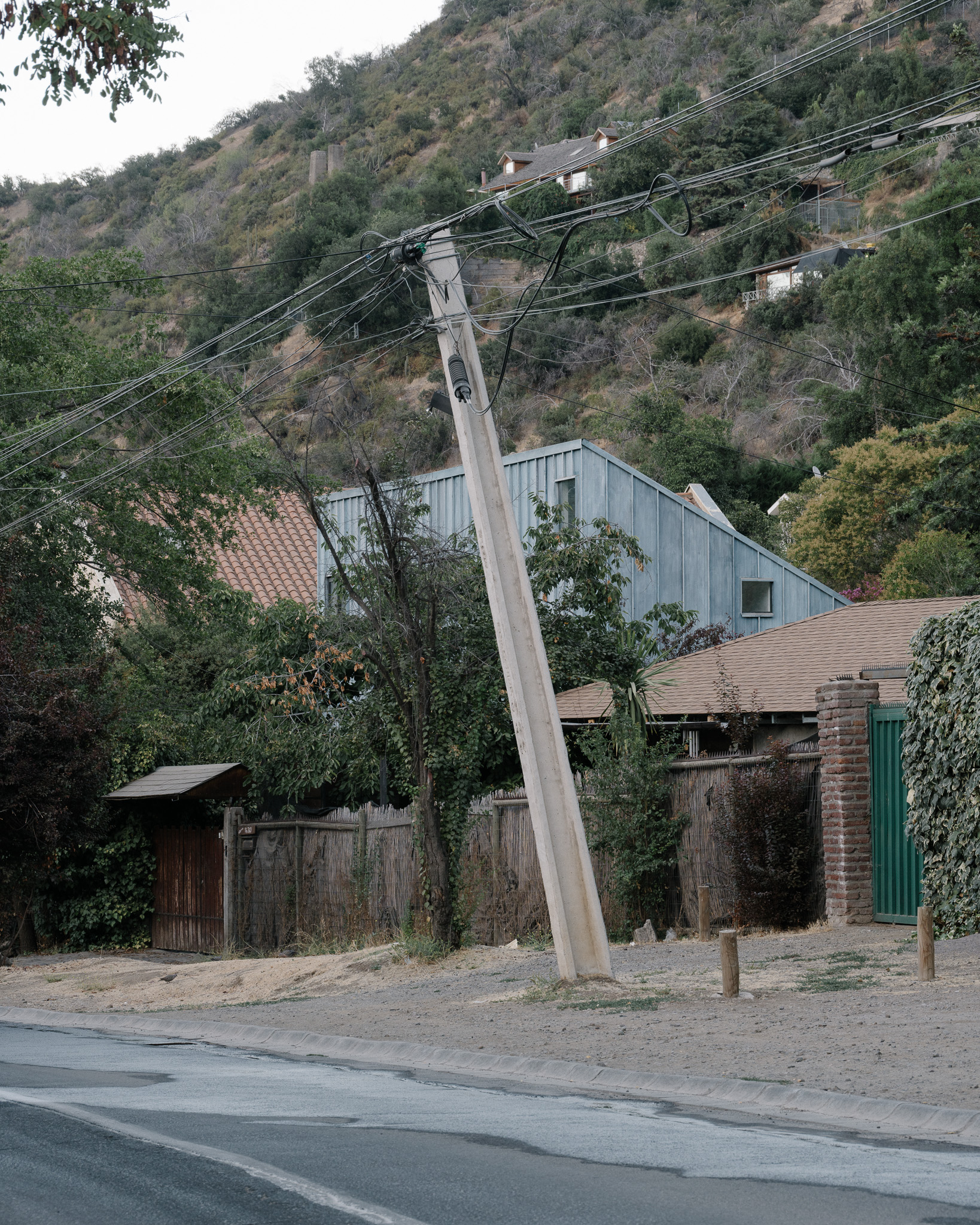
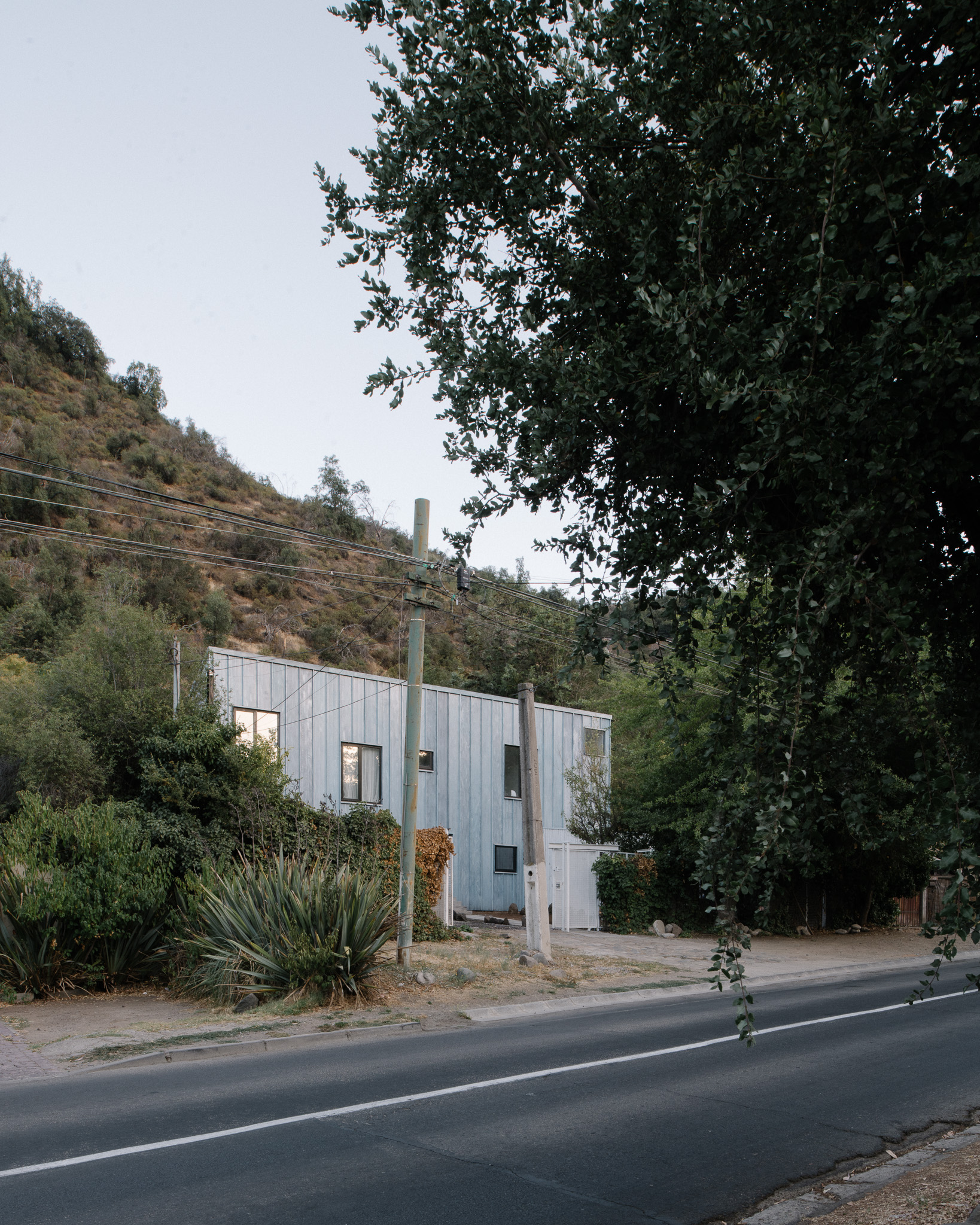
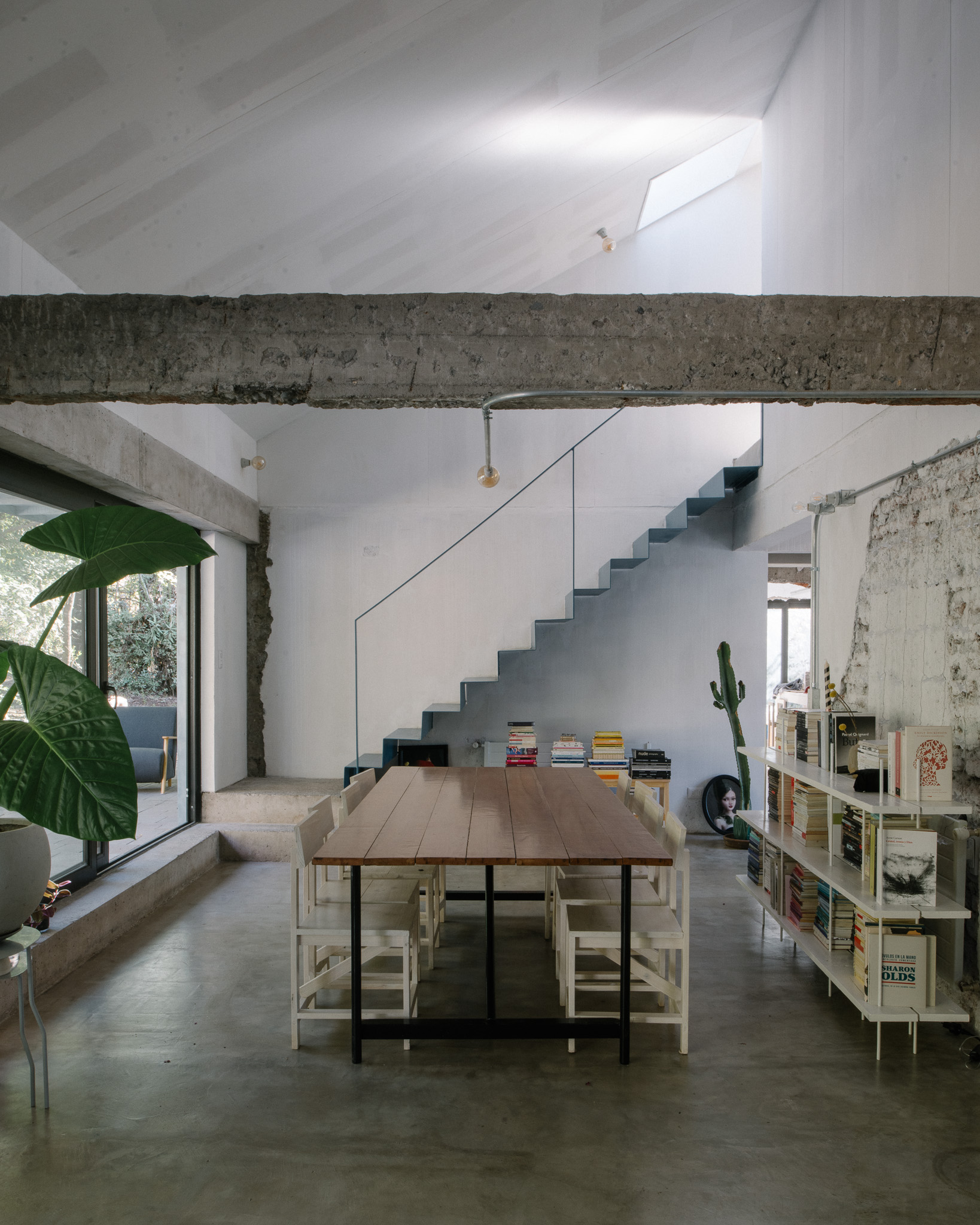
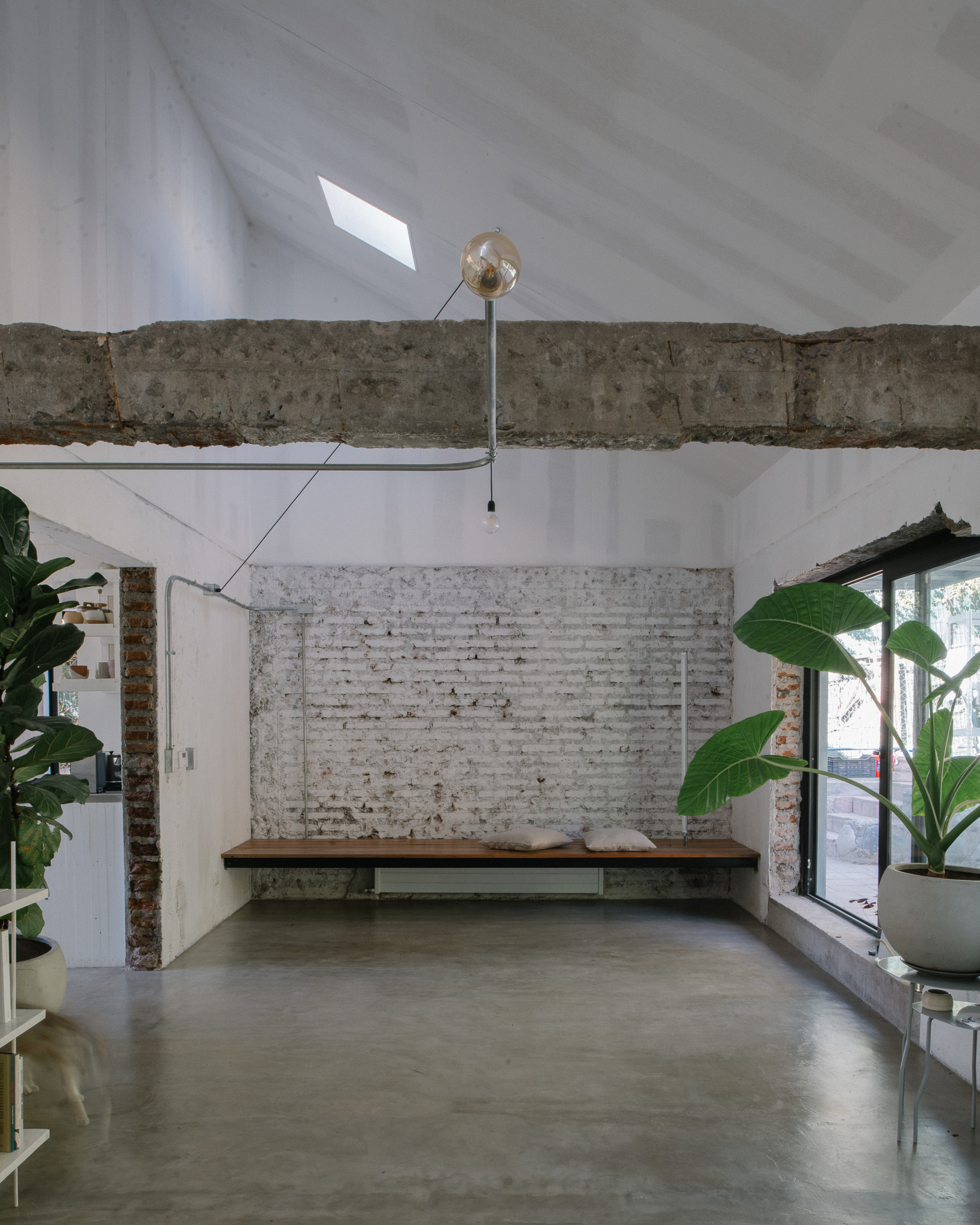
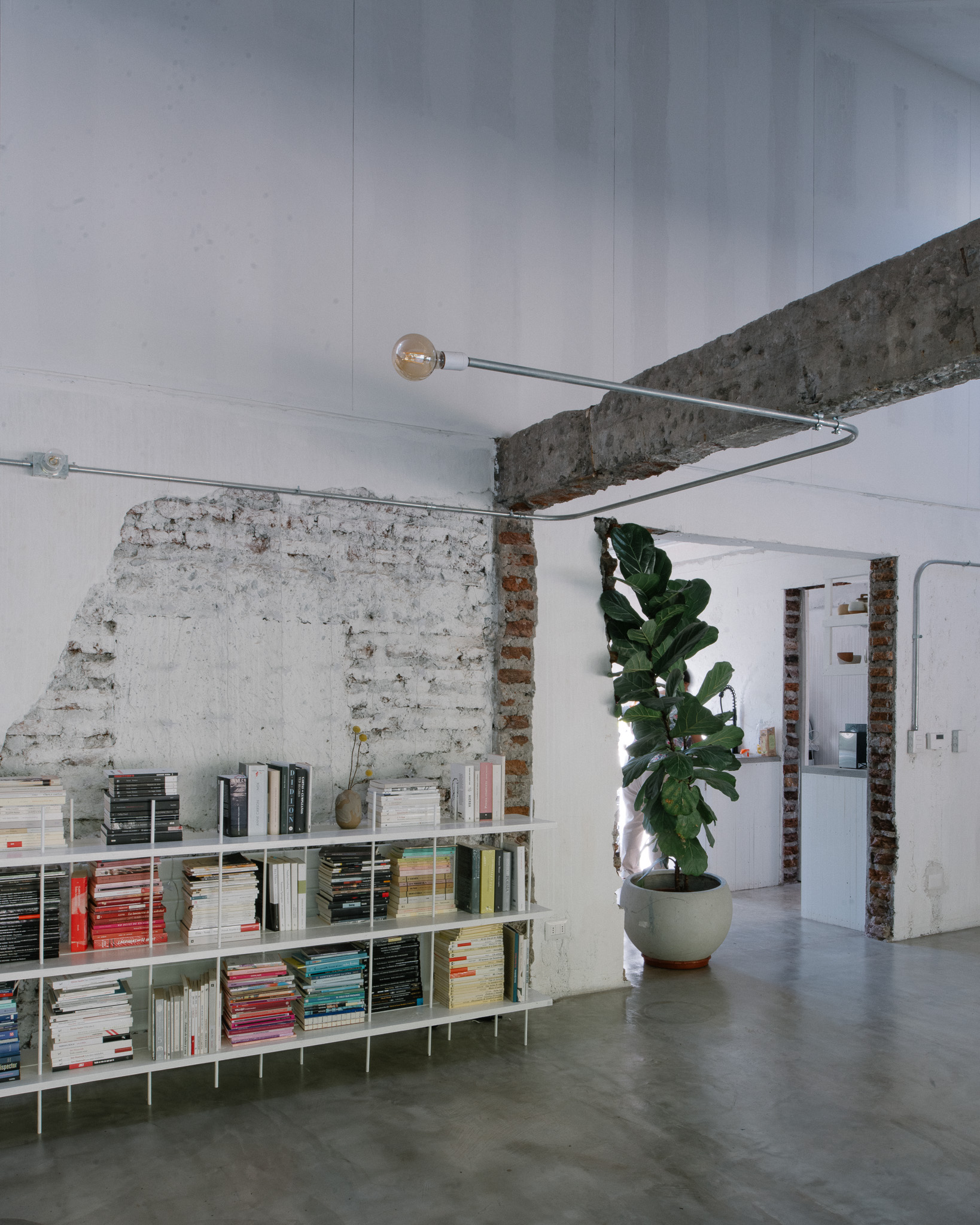
Casa Tam is one more iteration in a sequence of rewritings. Somewhere between new construction and palimpsest, the project takes fragments of previous layouts and extends them into new spatial continuities.
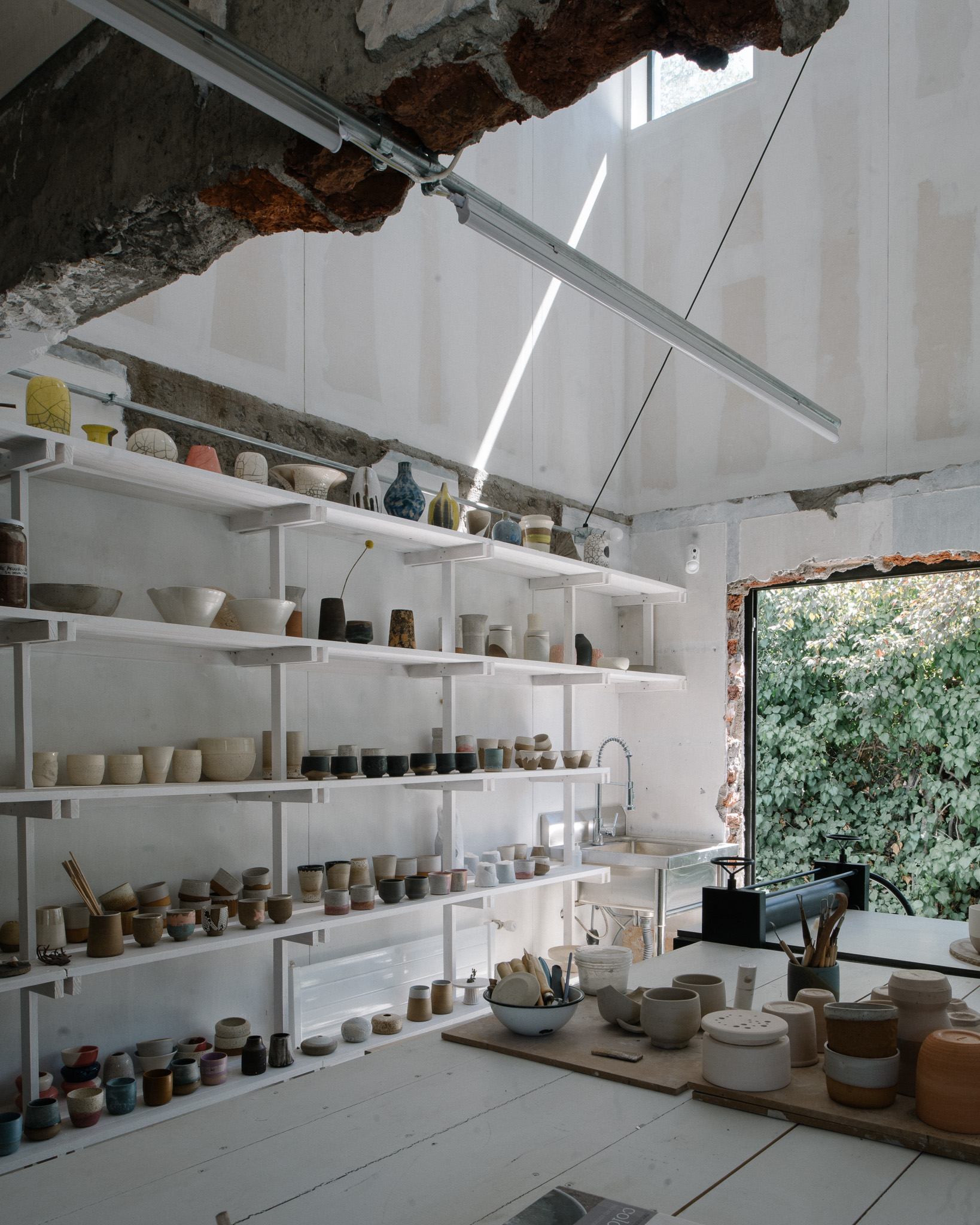
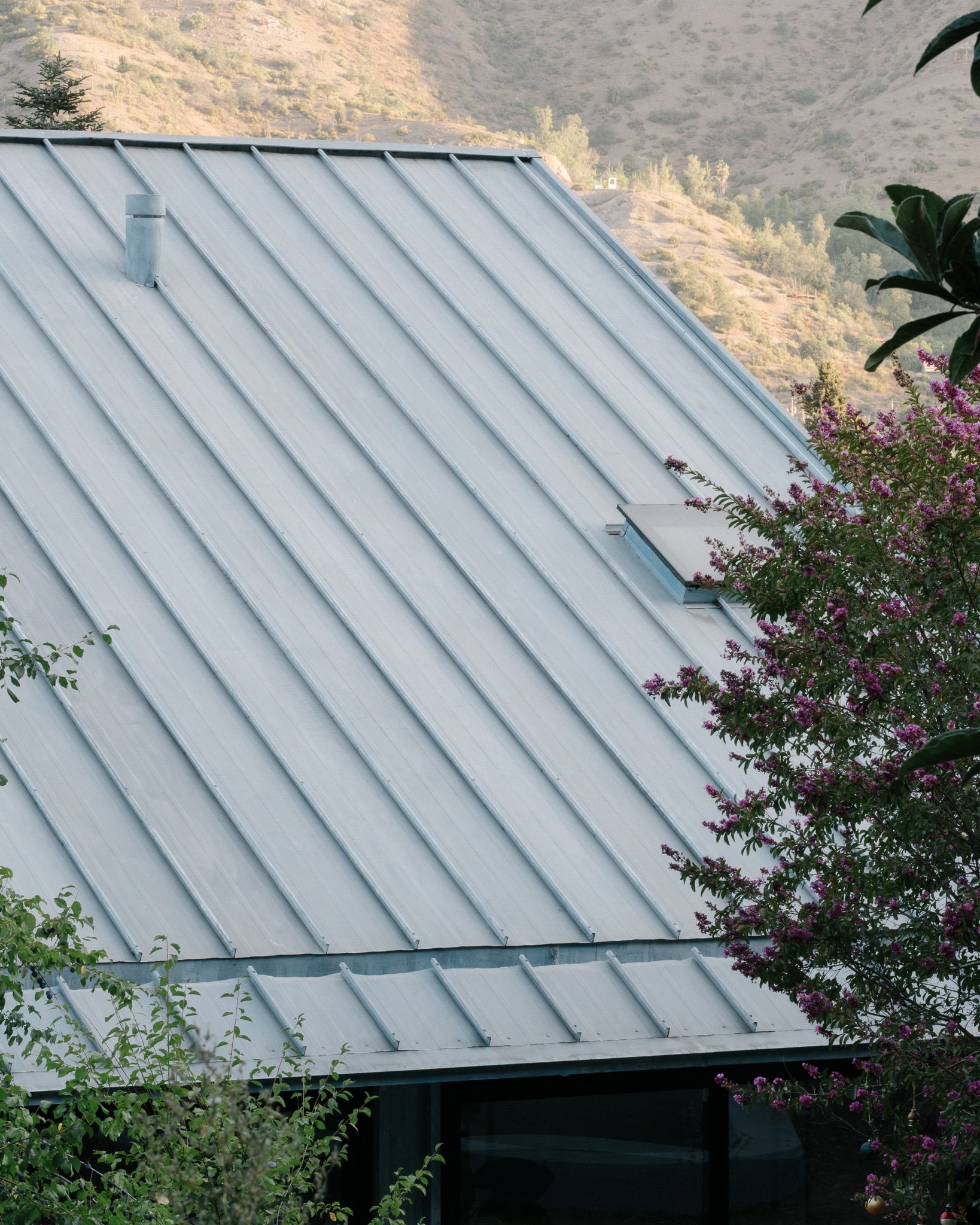
Located on the foothills of the Andes, the house raises its front façade while turning its back to the mountains, descending nearly to meet the ground. The open, double-height area facing the garden contains the living-dining room and the main bedroom. In the other half it’s the kitchen and the owner’s ceramics workshop. Upstairs, two children’s bedrooms are joined by a central shared studio.
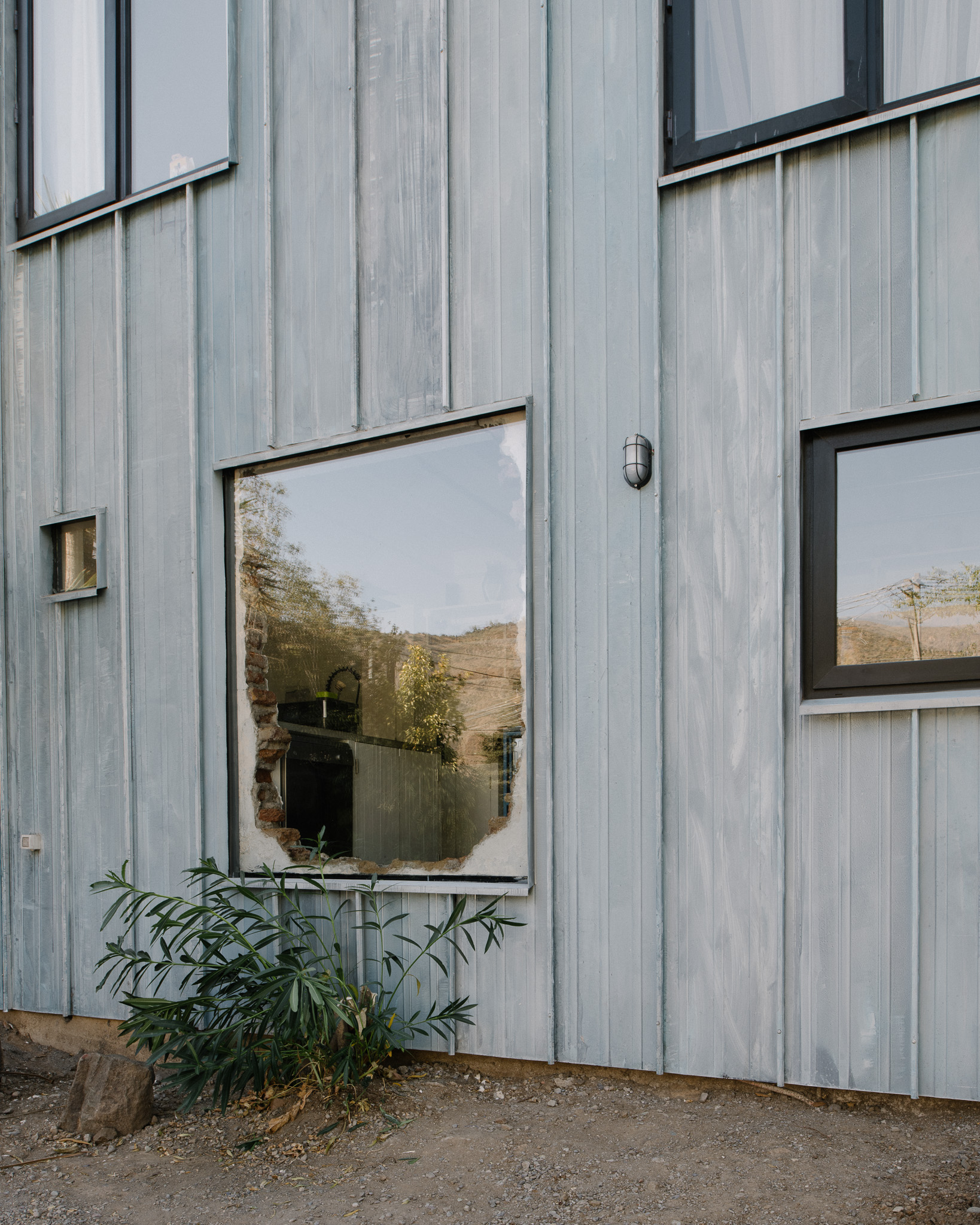
The intervention uses reinforced concrete to tie together the various construction systems layered across the house’s history. The upper floor is a lightweight construction to avoid overburdening the original foundations. The arrangement of different materials is unified only by a coat of white paint.
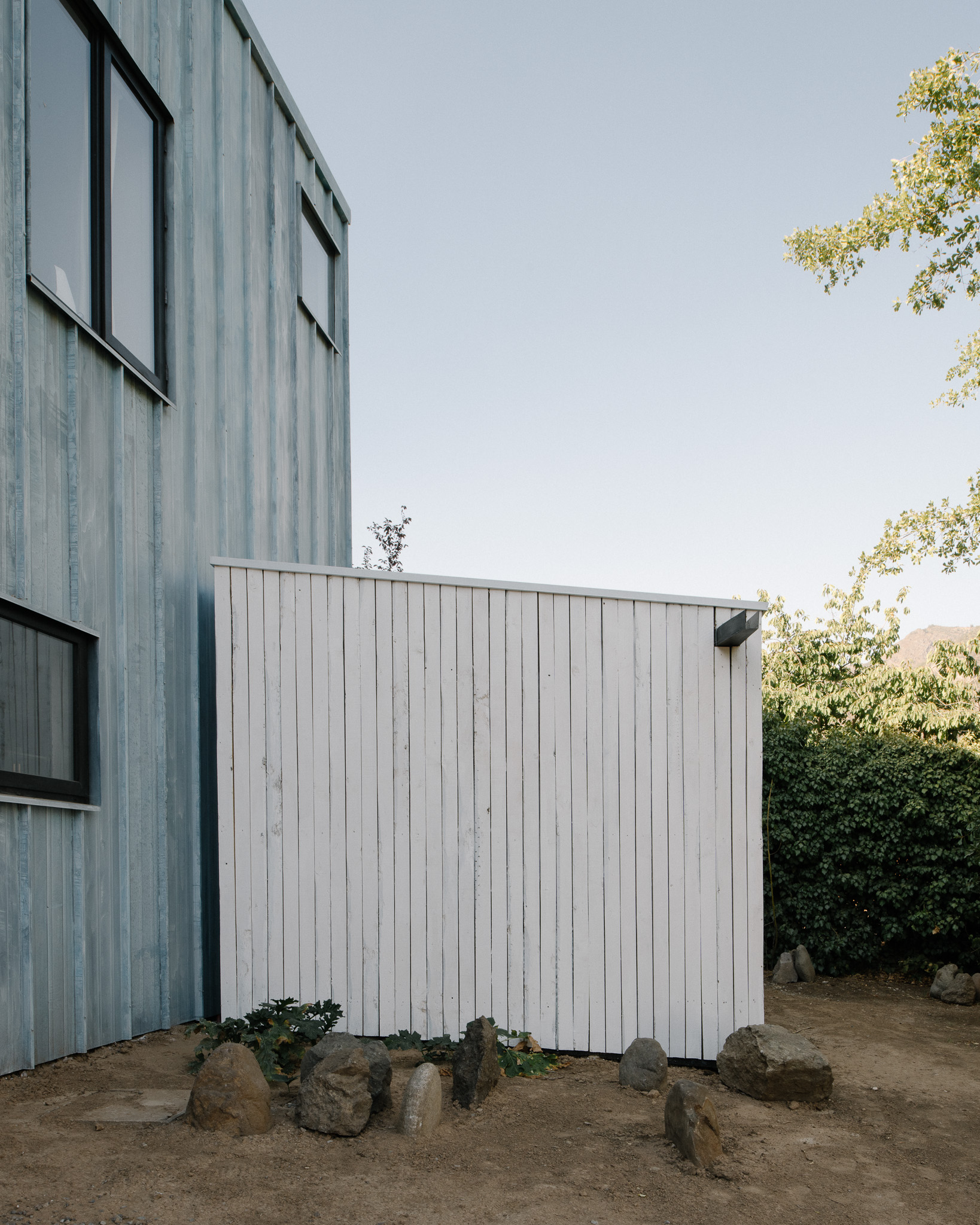
In front of the main façade, the only entirely new addition emerges: the kiln room. Clad in wood and painted white, it stands as the signature of this most recent reinvention—a plastic and programmatic trace of the latest rewriting of this home.
In association to Iván Bravo Architects